
Beneath the Willow Trees is a powerful memoir of childhood resilience, survival, and the complicated meaning of home. Set against the backdrop of a small house on a dead-end gravel road, the story follows a young girl growing up in poverty and neglect, navigating a world where fear, love, shame, and loyalty exist side by side.
Beneath the branches of two towering willow trees, the author and her siblings created a refuge of their own. The trees became a place to hide, play, dream, and sometimes wait for danger to pass. As their family struggled with hoarding, instability, and intervention from Child Protective Services, the author learned to carry responsibilities far beyond her years while searching for normalcy in a life that rarely felt safe.
Told with humor, heartbreak, and unflinching honesty, Beneath the Willow Trees explores the lasting effects of childhood adversity, the kindness of neighbors who quietly stepped in when help was needed, and the small moments of joy that make survival possible. More than a story of hardship, it is a testament to resilience, hope, and the enduring strength found in unexpected places.
Which part of the journey speaks to you?
Click any image below to jump deeper into that chapter and uncover the stories behind it.
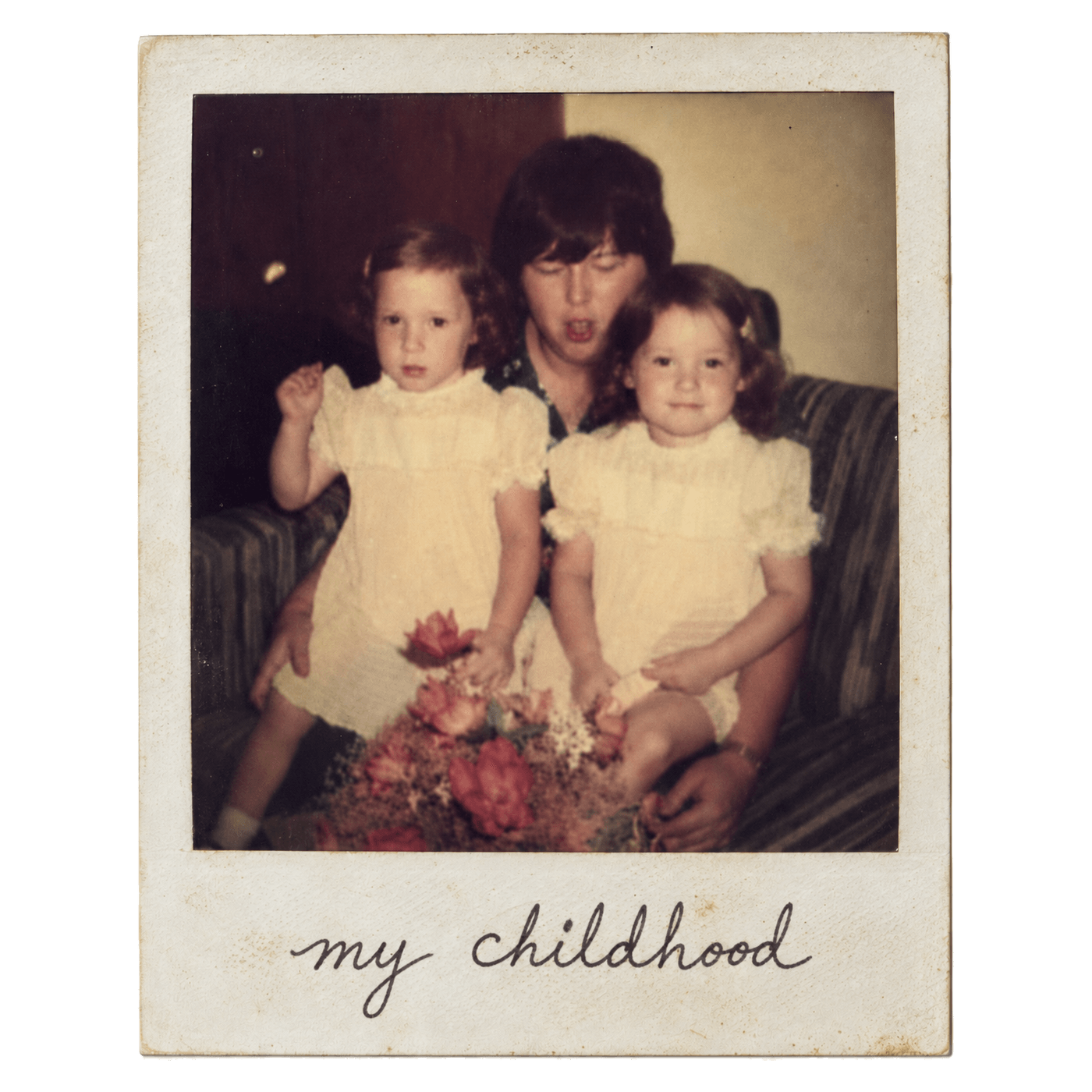
I was born into a house I'd spend my life trying to understand — white with green trim, at the end of a gravel road that didn't lead anywhere else. One half of a set of twins nobody quite expected, I learned early to read a room before walking into it, to go quiet when quiet kept us safe, to love a home that could also be the thing I needed protection from. The two willow trees out front didn't judge any of it — they just let their branches down low enough to hide in. I didn't have words yet for poverty, neglect, or the folder Child Protective Services kept with our names in it. I just had the willows, a brother who stood between me and whatever came next, and a quiet certainty I would not always be this small.

Faith didn't arrive for me in a single moment — it crept in sideways, the way light finds its way through willow branches even when you're sure you've hidden well enough to block it out. It started as a question more than a belief: if I could survive what I'd survived, maybe something had been holding on to me the whole time, even when I couldn't feel it. I brought that question into empty rooms, quiet cars, the middle of the night. Slowly it became less about proving anything and more about being met — by a kind of love that didn't flinch at where I'd come from. I didn't find faith so much as let it find me, patiently, in the space I'd spent my whole childhood learning to keep guarded.

Marriage is not perfect — trust me on that. There are still days the old fear shows up uninvited, still moments we misread each other, still arguments that circle back before they resolve. What I've learned is that none of that is the failure I once thought it would be. Love isn't a feeling that just holds steady on its own; it's a decision I make again the next morning, and the one after that, even when it's hard. Forgiveness works the same way — not something I feel once and I'm done, but something I choose daily, sometimes hourly, on purpose. We've said SHMILY to each other since the day we got married — follow me and I'll tell you what that means later. Marriage didn't heal me by being flawless. It healed me by staying, imperfectly, on purpose, every single day.
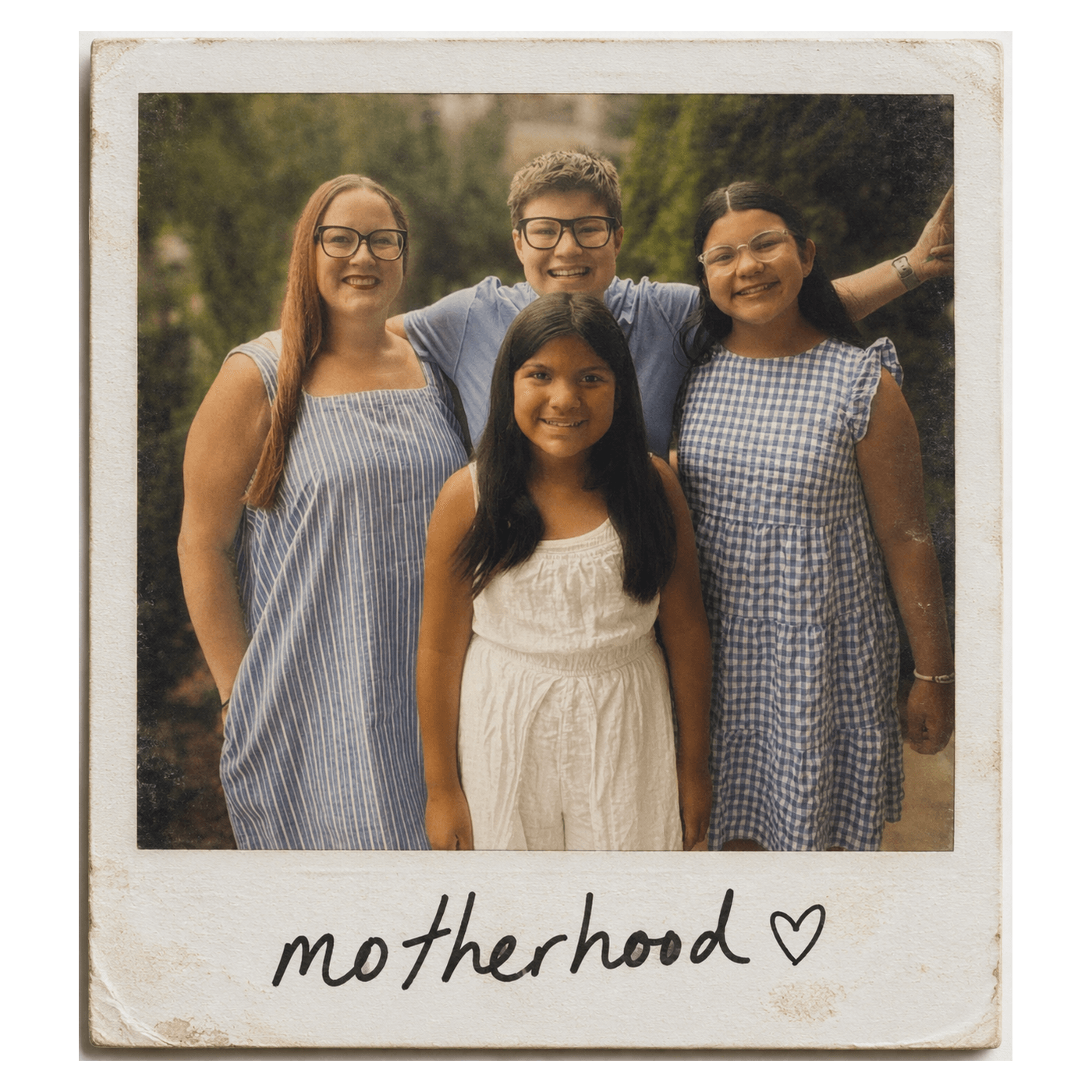
Motherhood handed me a strange kind of mirror — I kept seeing the little girl beneath the willow trees every time I looked at my own children's faces. I wanted to give them everything I'd had to go without: a home where quiet wasn't survival, where love didn't come with conditions attached. Some days I got it right. Other days the old patterns crept back in, and I had to catch myself and choose differently, on purpose, in real time. Nobody warned me that healing and parenting would happen at the same time, in the same breath. But watching my children grow up safe, unafraid, simply loved — that became its own kind of proof that the cycle really could end with me.
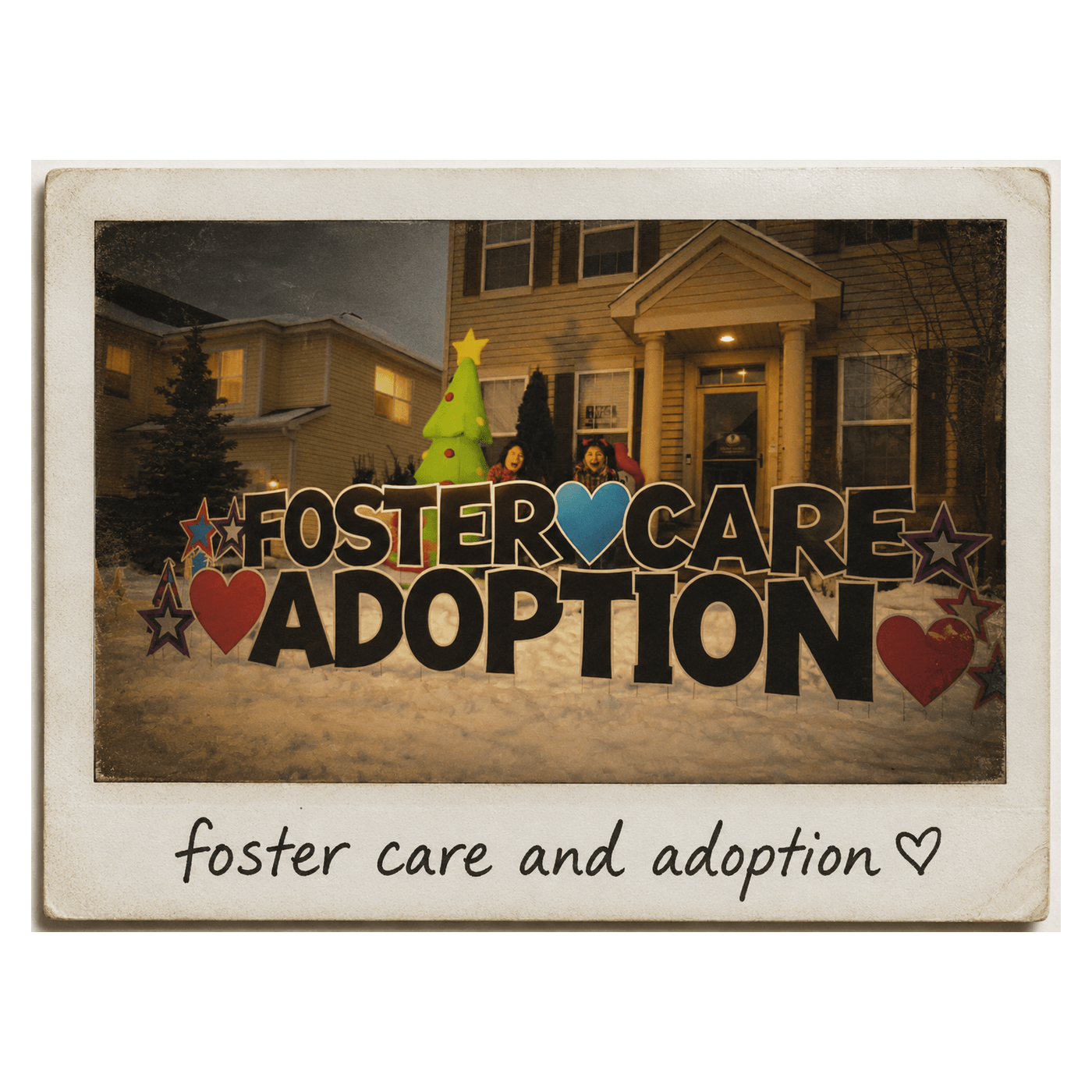
Becoming a foster parent meant walking back into the kind of house I once needed saved from — except this time, I stood in the doorway offering safety instead of waiting for it. Every child who came through carried some version of what I once carried, and I recognized it instantly. We never said no — not once, in twenty-five placements, twenty-five kids who needed somewhere to land. Every goodbye was hard, but it was part of the deal. After years of heartbreak, the reward was two amazing Latina girls we got to adopt and call ours for good. The little girl beneath the willow trees finally got to become someone's willow tree too.
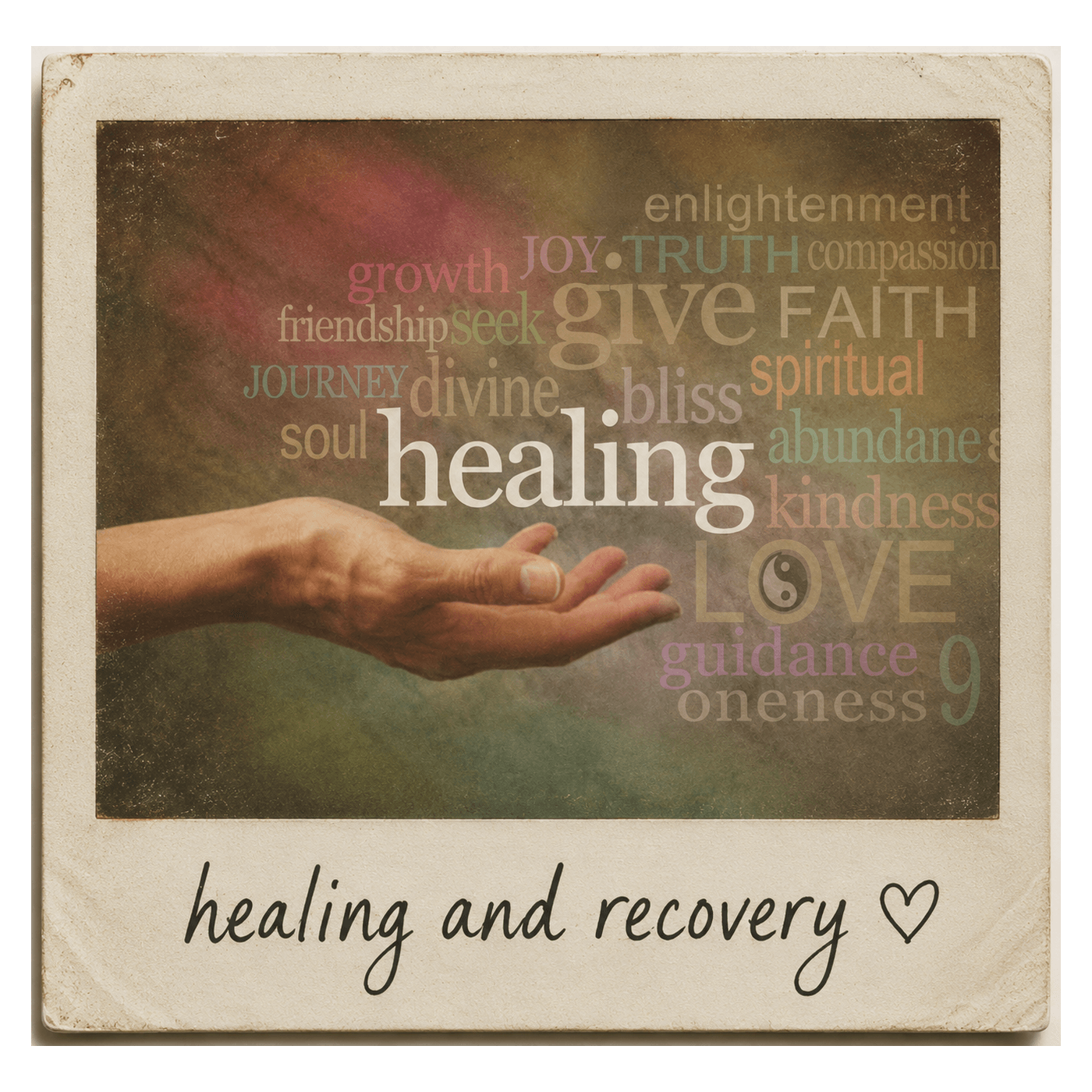
Healing didn't arrive the way I expected — no single breakthrough, no finish line to cross. It looked more like showing up for myself on the ordinary days, the ones with no crisis to survive, and learning what it felt like to just be safe instead of bracing for the next thing. Some of it was slow and unglamorous: naming what happened out loud, letting people in instead of managing everything alone, forgiving the parts of my story I used to be ashamed of. Recovery didn't mean forgetting where I came from — it meant finally being able to look back at that little girl beneath the willow trees without flinching, and telling her the truth: she made it, and everything after was hers to build.
I Want To Hear From You...
leave a post on any topic from the blog

© 2026 Beneath The Willow Tree